


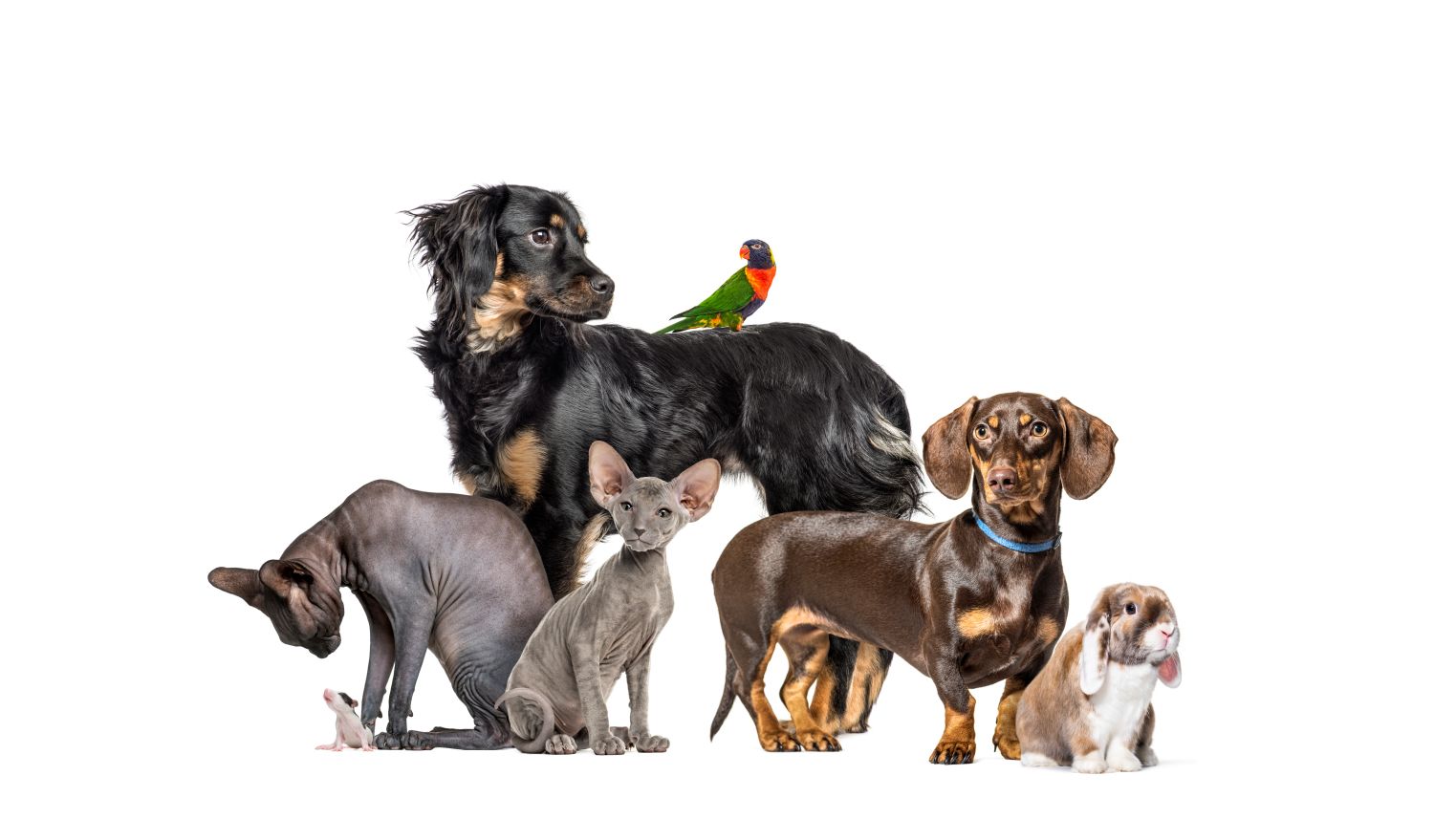
Bringing a pet into your home is an exciting and rewarding decision; however, it is essential to approach this commitment with careful thought and consideration. From evaluating your lifestyle to selecting the appropriate furry companion, each step necessitates thorough deliberation. This guide will provide an overview of the essential factors to consider prior to adopting a pet, as well as how to adequately prepare for your new companion and tips for ensuring a seamless transition into your home. Furthermore, we will address daily care, training, and health tips to maintain the well-being and happiness of your pet. Prepare to embark on this fulfilling journey.
Deciding to Get a Pet
Deciding to acquire a pet constitutes a significant commitment that necessitates careful evaluation of various factors, including one’s lifestyle, budget, and long-term responsibilities.
Before embarking on the rewarding journey of pet ownership, it is imperative to conduct thorough research on different types of pets, such as dogs, cats, or small animals, and to gain a comprehensive understanding of the associated costs of pet care.
These costs encompass essentials such as food and supplies, veterinary care, and pet insurance. By taking these considerations into account, prospective pet owners can ensure the provision of a loving and pet-friendly environment that fosters responsible pet ownership and enhances the well-being of their future companion.
Factors to Consider
When considering the introduction of a pet into one’s home, it is essential to assess a variety of factors that contribute to responsible pet ownership and foster a harmonious relationship with the new companion.
This evaluation requires a comprehensive understanding of the pet’s behavior patterns, as these can significantly influence the dynamics within the household. Health should be prioritized, as regular veterinary check-ups are crucial for preventing diseases and ensuring the overall well-being of the pet.
Recognizing the importance of socialization needs is also vital; pets tend to thrive in environments where they feel secure and connected, not only to their human families but also to other animals.
Furthermore, exercise requirements must be carefully considered; providing adequate physical activity for the pet can help prevent behavioral issues and promote a healthy lifestyle.
Potential allergies should not be disregarded, as they may affect both the pet and family members. Therefore, researching hypoallergenic breeds is an important step when necessary.
Choosing the Right Pet for You
Selecting the appropriate pet for oneself and one’s family is a significant decision that requires careful consideration of several factors, including living circumstances, activity levels, and the personality traits of the potential pet.
Whether one is inclined towards specific dog breeds, cat breeds, or smaller pets, it is imperative to comprehend their distinct behaviors, requirements, and compatibility with one’s lifestyle to ensure a harmonious coexistence.
Furthermore, the process of introducing a new pet into the household can greatly impact the success of the transition, underscoring the importance of making an informed and thoughtful choice.
Assessing Your Lifestyle and Needs
Assessing one’s lifestyle and needs is a critical step in the pet adoption process, as it aids in identifying the type of pet that would best suit a particular home and lifestyle.
Evaluating factors such as daily routines, living environments, and financial considerations can provide valuable insights into an individual’s suitability as a pet owner. For example, an active individual residing in a spacious home may thrive with a high-energy breed that requires substantial exercise, while someone with a more relaxed lifestyle could benefit from a pet that is content with lower activity levels.
It is also imperative to consider one’s budget, as the costs associated with food, veterinary care, and supplies can vary significantly across different types of pets. Ensuring that a pet’s exercise and companionship needs align with one’s lifestyle is essential for fostering a harmonious relationship that benefits both the pet and the owner.
Preparing for a New Pet
Preparing for the arrival of a new pet necessitates the establishment of a welcoming and secure environment, the acquisition of essential pet supplies, and a thorough understanding of the responsibilities associated with pet ownership.
This comprehensive preparation entails not only the procurement of necessary pet equipment and grooming supplies but also the creation of a pet-friendly home that addresses the specific needs of the new companion.
Furthermore, ensuring access to veterinary care and relevant pet training resources will lay a strong foundation for a successful transition into the household.
Essential Supplies and Preparations
Essential supplies and preparations for a new pet are critical to ensuring their health, safety, and overall well-being within the home environment.
To establish a nurturing setting, it is important to assemble a variety of essential supplies that address the diverse needs of the pet. This includes providing nutritious food specifically formulated to meet the dietary requirements of the pet, which is essential for their proper nutrition based on age and activity level.
Additionally, grooming tools such as brushes, nail clippers, and bathing supplies are necessary to maintain the pet’s hygiene and general health. Safety equipment, including collars, leashes, and harnesses, is crucial for securing the pet’s safety during walks and outings.
Furthermore, identification methods such as microchipping and ID tags are vital for facilitating the prompt recovery of a pet should they go missing, thereby providing peace of mind to pet owners.
Bringing Your Pet Home
Bringing a pet home represents a significant milestone that necessitates careful planning to facilitate a smooth transition into their new environment and to establish a strong bond from the outset.
Implementing effective pet introduction techniques can alleviate any anxieties that the new companion may experience, while creating a pet-friendly atmosphere will further enable them to acclimatize comfortably.
Engaging in safe and positive activities tailored for pets will contribute to building trust and companionship, ensuring that the pet feels secure and welcomed in their new residence.
Introducing Your Pet to Their New Environment
Introducing a pet to a new environment necessitates a patient approach and a comprehensive understanding of their behavior to facilitate effective acclimatization.
This process is vital for fostering a sense of security and companionship as the pet explores its surroundings. It is advisable to establish a designated space where the pet can feel safe and comfortable, furnished with familiar items such as toys or bedding.
Monitoring for signs of anxiety or stress during this transition is essential; for example, minimizing overwhelming interactions with new individuals or other animals can help mitigate potential behavioral issues.
Implementing gradual socialization techniques can substantially enhance the pet’s confidence, thereby easing its adaptation and enabling it to thrive in its new home.
Caring for Your Pet
Caring for a pet involves a range of daily responsibilities that are essential for ensuring their well-being, happiness, and overall health.
This includes not only providing high-quality nutrition and regular exercise but also prioritizing grooming and health assessments.
Understanding a pet’s behavior and recognizing any changes are critical aspects of responsible pet ownership, as these changes may signal underlying health concerns or emotional needs.
Daily Responsibilities and Care Tips
Daily responsibilities and care tips are crucial for ensuring that pets remain healthy, happy, and well-adjusted to their environment. By allocating appropriate time to grooming, feeding, and exercise, pet owners can significantly improve their companions’ overall health and emotional stability.
Regular grooming not only keeps the fur clean and free of tangles but also provides an excellent opportunity for bond-building and the identification of any potential skin issues. Establishing a consistent feeding schedule with high-quality nutrition enables pets to maintain optimal weight and energy levels, thereby promoting longevity.
Exercise routines, whether through daily walks or interactive play sessions, contribute to physical fitness and mental stimulation, which can help alleviate behavioral problems and encourage a balanced lifestyle.
Ultimately, these daily tasks foster a nurturing environment that supports both pet well-being and a strong owner-animal relationship.
Training and Socializing Your Pet
Training and socializing your pet are essential for promoting positive behavior, enhancing their social skills, and strengthening the bond between you and your pet.
Implementing effective training techniques that are specifically tailored to your pet’s temperament can lead to significant improvements in their behavior and overall adaptability.
Furthermore, participating in enriching activities will not only provide mental stimulation for your pet but will also foster companionship and understanding between you and your animal companion.
Effective Training Techniques and Socialization Strategies
Effective training techniques and socialization strategies are essential for ensuring that pets develop appropriate behavior and social skills.
These approaches not only foster a strong bond between the pet and its owner but also provide the animal with the necessary tools to navigate various environments with confidence. A range of training resources is available, including online courses, instructional videos, and local classes conducted by skilled trainers.
The importance of consistent training cannot be overstated, as it reinforces desirable behaviors and reduces undesirable ones over time.
Socialization is critical, as it exposes pets to different people, animals, and environments, thereby reducing anxiety and promoting adaptability. By incorporating these methods into a pet’s routine, owners can establish a harmonious lifestyle founded on trust and mutual respect.
Health and Safety for Your Pet
The health and safety of pets should be regarded as a paramount concern, encompassing preventive measures and routine health assessments that promote the well-being of companions throughout their lives.
Regular veterinary care, which includes vaccinations and comprehensive health evaluations, is essential for preventing common health issues and effectively addressing potential emergencies in a timely manner.
Furthermore, investing in pet insurance can offer reassurance against unforeseen medical expenses, facilitating access to comprehensive care when required.
Preventive Measures and Common Health Concerns
Preventive measures and a thorough understanding of common health concerns are essential for maintaining a pet’s overall well-being and longevity.
Routine veterinary visits are critical in ensuring that pets receive necessary vaccinations, which protect them from potentially life-threatening diseases. These appointments also offer an opportunity for comprehensive behavioral assessments, enabling pet owners to identify any issues that could adversely affect their furry companion’s quality of life.
By prioritizing preventive care, pet owners can address health problems before they escalate into emergencies, thereby enhancing their pet’s health and overall happiness. This proactive approach not only strengthens the bond between pets and their caregivers but also contributes to a longer, healthier life for these beloved companions.