


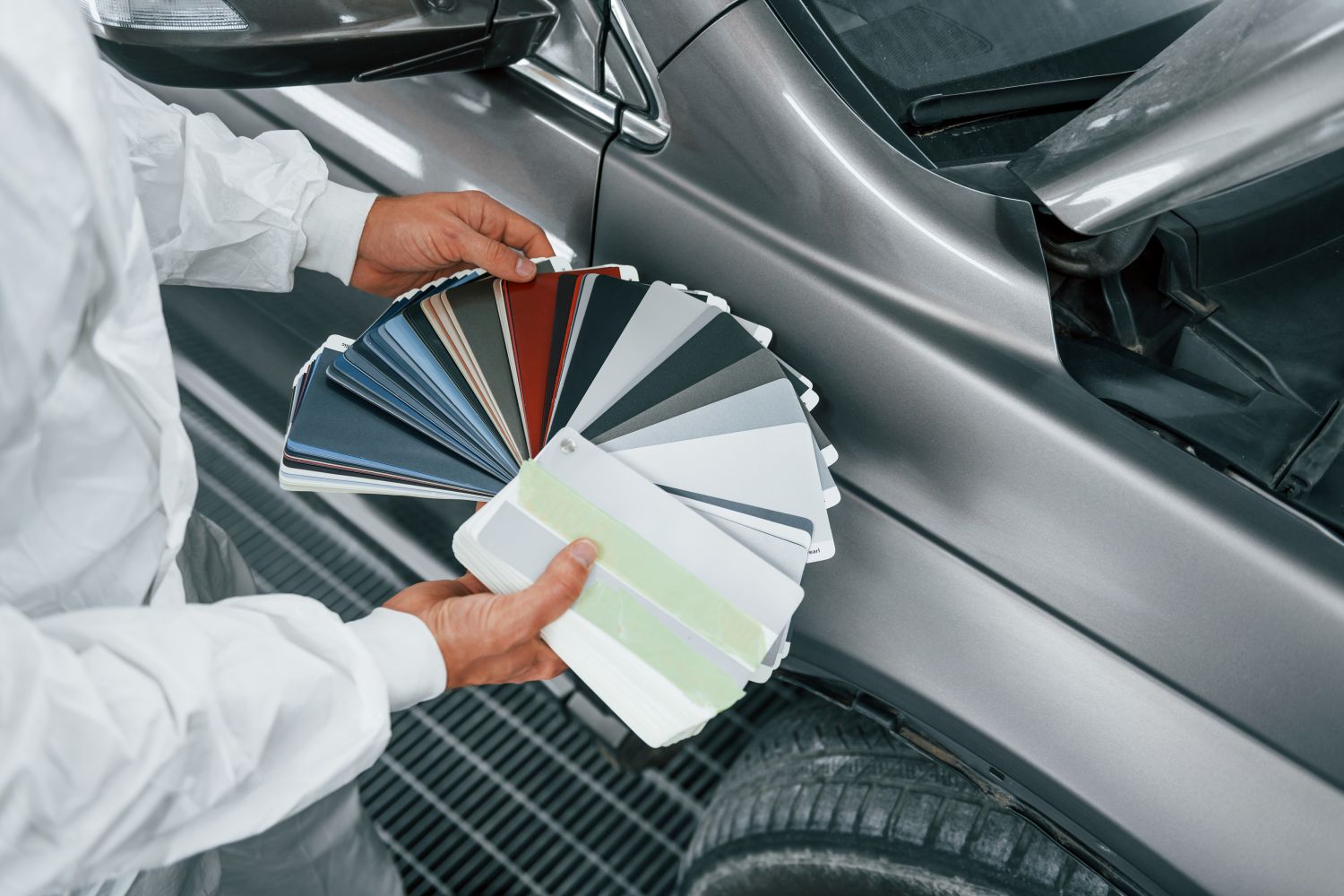
Selecting the appropriate paint for your vehicle extends beyond a mere cosmetic choice; it can significantly impact the vehicle’s longevity and overall aesthetics. With a variety of options available, including enamel, lacquer, and urethane paints, it is crucial to comprehend their distinct characteristics and advantages. This guide examines the most popular types of automotive paint, outlines key factors to consider when making a selection, and discusses the pros and cons associated with each variety. Whether you are a DIY enthusiast or seeking to enhance the appearance of your vehicle, this guide offers valuable insights for all individuals.
Why Choosing the Right Paint Matters
Selecting the appropriate car paint is essential for both the aesthetic appeal of a vehicle and its long-term protection against environmental factors.
The choice of paint type-whether to select durable enamel or a high-gloss lacquer-can significantly affect the vehicle’s overall appearance and longevity. Enamel paints are known for their superior resistance to chipping and fading, making them an ideal option for individuals who prioritize durability and lifespan. Conversely, lacquer finishes can offer unparalleled depth of color and shine, although they may necessitate more frequent maintenance.
It is important to understand the cost considerations associated with these paint technologies, as professional car painting services can have a substantial impact on one’s budget. Careful evaluation of factors such as application techniques and finishes is crucial in order to achieve a result that not only enhances the vehicle’s appearance but also preserves its value over time.
Popular Types of Car Paint
Understanding the various types of car paint is essential for achieving the desired aesthetic and durability.
Among the most popular types of car paint are:
- Enamel paint, noted for its resilience;
- Lacquer paint, known for its rapid drying properties;
- Urethane paint, appreciated for its chemical resistance and durability.
Each of these paint types possesses distinct characteristics and applications, rendering them suitable for various automotive painting tasks and individual preferences.
Additionally, advancements in paint technology have led to the development of eco-friendly options, such as water-based paints, which are increasingly favored by environmentally-conscious consumers.
Enamel Paint
Enamel paint is a widely utilized option in the automotive industry, recognized for its durability and glossy finish, which can significantly enhance the aesthetic appeal of vehicles. This type of automotive paint provides excellent resistance to chipping and fading, making it suitable for achieving a long-lasting finish.
Enamel paint can be applied through spray techniques or traditional brush methods, and it typically requires a clear coat for additional protection. Its robust characteristics enable it to endure various environmental factors while preserving the visual attractiveness of the vehicle.
Along with its commendable features, automotive enamel paint possesses a range of properties that contribute to its popularity among both car enthusiasts and professionals. One significant advantage is its relatively quick drying time in comparison to other paint formulations; however, proper curing is essential to achieving optimal results.
Maintenance practices are critical, with regular washing and the application of specialized waxes enhancing the paint’s shine and extending its lifespan. Furthermore, compatibility with various paint systems should be considered, as enamel paint generally performs well with both acrylic and urethane bases, offering versatility for diverse projects.
It is also important to acknowledge certain drawbacks, such as its susceptibility to prolonged exposure to harsh chemicals, which may adversely affect the quality of the paint over time.
Lacquer Paint
Lacquer paint is often preferred for its rapid drying properties and high-gloss finish, rendering it an ideal choice for automotive refinishing projects. This type of paint facilitates easy application and can produce a smooth, glossy appearance that many automotive enthusiasts seek.
However, while lacquer paint provides impressive aesthetics, it may necessitate more frequent maintenance compared to other paint types due to its susceptibility to UV fading and scratches. Therefore, understanding the durability tests associated with lacquer paint is critical for ensuring a long-lasting finish.
The benefits of lacquer paint extend beyond its visual appeal; its capacity to create depth and clarity in color makes it a favored option among both professional painters and DIY enthusiasts.
Applying lacquer can present challenges due to its quick-drying nature, which allows limited opportunity for error during the layering process. To preserve its integrity, it is advisable to implement regular protective measures, such as waxing or utilizing high-quality sealants, to guard against environmental damage.
Staying informed about the latest color trends can inspire new projects, while possessing knowledge of effective paint repair techniques is essential for addressing minor scratches or imperfections that may detract from the overall finish.
Urethane Paint
Urethane paint is distinguished in the automotive industry for its exceptional durability and resistance to chemicals, rendering it a preferred selection among automotive paint brands. This type of paint not only delivers an impressive finish but also contributes to the longevity of a vehicle’s appearance.
Urethane paint systems are frequently complemented with a clear coat to provide additional protection against scratches, UV radiation, and environmental damage. Consequently, numerous car owners choose urethane paint to achieve an optimal combination of aesthetic appeal and long-lasting performance.
While urethane paints possess notable advantages, they also entail specific application requirements that must be meticulously adhered to. Proper surface preparation is essential, as any imperfections can adversely affect the final result. The curing time associated with urethane paint can exceed that of other paint types, potentially resulting in extended downtime during the detailing process.
Additionally, the application of urethane paint may necessitate specialized tools and protective gear due to the chemicals involved.
Despite these challenges, the high gloss finish and remarkable resistance to wear make urethane paint a favored option among both enthusiasts and professionals. For optimal outcomes, it is recommended to become acquainted with paint maintenance practices, such as regular washing and the use of non-abrasive wax or sealants, in order to prolong the shine and protective properties of the urethane paint.
Factors to Consider When Choosing Car Paint
When selecting car paint, several critical factors must be carefully considered to ensure an optimal choice that aligns with both needs and preferences.
Cost is a significant element in the decision-making process, as various types of paint differ in price depending on their quality and brand.
Additionally, the paint’s durability against environmental elements and its maintenance requirements should be thoroughly assessed.
Another important aspect to evaluate is the range of available color and finish options, as trends continually evolve, offering a diverse array of automotive color palettes and customization opportunities.
Cost
The cost of automotive paint can vary considerably based on several factors, including the type of paint, its quality, and the complexity of the paint system. When contemplating a do-it-yourself (DIY) car painting project, it is essential to evaluate the total expenses involved, which may encompass not only the paint itself but also necessary supplies such as clear coats, base coats, and applicators.
Engaging professional automotive paint services should also be considered, as this option frequently incurs higher costs due to the labor and expertise required. A comprehensive understanding of the potential expenses will enable a more informed decision.
It is important to recognize that the selection of automotive paint brands can significantly impact the overall expenditure. High-performance paints may come with a higher price point; however, they often provide enhanced durability and a superior finish.
When opting for a DIY approach, investing in a comprehensive paint kit that includes appropriate tools and protective gear can contribute to the initial costs. Conversely, enlisting the assistance of professionals ensures a high-quality result and minimizes the risk of expensive mistakes, particularly when advanced painting technologies, such as ceramic coatings or metallic finishes, are involved.
Balancing these options necessitates careful consideration of both the budget and the desired outcome.
Durability
Durability is a critical factor in the selection of automotive paint, as it directly influences both the longevity and appearance of the vehicle. The durability of paint is affected by several elements, including the type of paint used, the application techniques employed, and various environmental conditions.
For instance, chip-resistant paint formulations are specifically designed to endure everyday wear and tear, thereby protecting the vehicle’s surface from potential damage. A comprehensive understanding of the durability characteristics of different automotive paint options can lead to more informed and advantageous choices for vehicle owners.
Factors such as ultraviolet (UV) resistance and the hardness of the paint significantly contribute to its long-term performance. High-quality clear coats provide enhanced protection against fading and yellowing due to sun exposure, while specialized paint technologies, such as ceramic coatings, offer superior scratch resistance and hydrophobic properties.
In real-world conditions, paints with improved adhesion properties are better equipped to withstand harsh weather extremes, ensuring that the vehicle’s visual appeal remains preserved over time. A thorough understanding of these metrics not only assists in selecting the appropriate color but also ensures that the chosen coating retains its aesthetic charm for years to come.
Color and Finish Options
Color and finish options are critical components of car paint selection, significantly impacting the visual appeal and overall aesthetics of a vehicle. Current color trends in the automotive industry illustrate a combination of vibrant colors and distinctive finishes, ranging from high-gloss to matte and metallic paints.
A comprehensive understanding of the differences between these finishes enables customers to make informed decisions that accurately reflect their individual style and preferences. By carefully comparing paint finishes, individuals can select the most appropriate option that aligns with their desired vehicle appearance.
The automotive color palette has expanded considerably in recent years, offering a wide array of hues that cater to both classic and contemporary tastes. Popular choices encompass vibrant shades such as deep reds and electric blues, while earthy tones like olive green and burnt orange are emerging as unique alternatives.
Custom paint options provide car enthusiasts with the opportunity to further personalize their vehicles, employing techniques such as pearlescent and satin finishes that change in appearance based on lighting conditions. As the market continues to evolve, an increasing number of consumers are gravitating towards eco-friendly paint solutions, reflecting a heightened awareness of sustainability in automotive aesthetics.
Pros and Cons of Each Type of Car Paint
Understanding the advantages and disadvantages of each type of car paint is crucial for making an informed decision that effectively balances aesthetics, durability, and cost.
Enamel paint offers long-lasting protection; however, its application can be challenging. Lacquer paint delivers a brilliant finish but may not withstand harsh climatic conditions as effectively. Urethane paint, known for its high durability and chemical resistance, typically comes at a higher price point.
By systematically comparing these paint types and their respective pros and cons, car owners can make an optimal selection that aligns with their automotive requirements.
Enamel Paint
Enamel paint is recognized for its durability and resistance to chipping, rendering it a reliable choice for automotive finishes. One of the primary advantages of enamel paint is its capacity to create a hard, protective layer; however, achieving an even application can be challenging and requires specific techniques to attain optimal results.
While enamel paint is typically more cost-effective, it may not offer the same level of gloss as some alternative options. A thorough understanding of these advantages and disadvantages will assist car owners in determining whether enamel paint is the appropriate choice for their project.
For those contemplating its use, it is essential to acknowledge that enamel paint performs exceptionally well on a variety of surfaces, providing a versatility that is particularly advantageous in automotive detailing.
Conversely, maintaining an enamel finish can be labor-intensive, as it often requires regular waxing and care to preserve its appearance and vibrancy.
It is also important to note that not all enamel paints are of the same quality; some formulations may experience fading or a loss of luster over time, particularly when subjected to harsh environmental conditions.
Ultimately, evaluating the specific requirements of a vehicle’s finish, along with potential maintenance obligations, can guide individuals in selecting the most suitable paint technology for their automotive project.
Lacquer Paint
Lacquer paint is characterized by its rapid drying properties and high gloss finish, rendering it a popular option for automotive refinishing. One of the primary advantages of lacquer paint is its ability to achieve a visually appealing result in a short timeframe; however, it generally exhibits lower durability compared to enamel or urethane alternatives.
This type of paint may necessitate more frequent touch-ups due to its vulnerability to UV fading and scratches, which can adversely affect its overall longevity. It is imperative for car owners to understand these advantages and disadvantages when considering lacquer paint for their projects.
The application process of lacquer paint is another essential consideration, as it often requires a meticulously prepared surface and adequate ventilation to achieve optimal results. While lacquer paint is relatively easy to use, attaining a flawless finish may require a certain level of skill and experience, particularly with techniques such as spraying.
The aesthetic appeal of lacquer paint is unparalleled, providing vehicles with a deep, reflective shine that enhances their visual value.
Conversely, maintenance can pose a challenge; regular waxing may be necessary to protect against environmental elements and to preserve the glossy finish. As automotive paint trends continue to evolve, it will be crucial for enthusiasts to balance the attractiveness of lacquer with its inherent limitations in order to achieve both beauty and practicality in their paint selection.
Urethane Paint
Urethane paint is highly regarded for its exceptional durability and chemical resistance, making it a preferred option among automotive enthusiasts. The primary advantage of urethane paint lies in its long-lasting finish, which withstands harsh environments and UV radiation effectively; however, it typically comes at a higher price point compared to other paint types.
The application of urethane paint can be more complex, necessitating skilled techniques to achieve optimal results. Evaluating these advantages and disadvantages will assist car owners in determining whether urethane paint meets their requirements and fits within their budget.
One of the notable strengths of urethane paint is its ability to deliver a smooth and glossy finish, significantly enhancing the aesthetic appeal of any vehicle. It demonstrates excellent adhesion to surfaces, ensuring a robust bond that endures wear and tear.
Maintenance requirements for urethane paint can be more extensive; while it is resistant to minor scratches and stains, diligent care is essential to preserve its appearance over time.
For individuals contemplating a long-term investment in automotive refinishing, understanding the warranty terms associated with urethane paint is crucial. Such warranties often reflect the manufacturer’s confidence in the quality of the paint, providing users with assurance that their investment will endure through various automotive refinishing endeavors.